Turning Ideas into Action!

Welcome! This toolkit is your step-by-step guide to transforming walk audit findings into tangible infrastructure projects. Walkability is about more than just sidewalks; it’s about connecting people to places, improving health, and fostering vibrant communities. This resource will help you navigate the process of planning, funding, and implementing improvements that truly make a difference.

Turning Ideas into Action!

Welcome! This toolkit is your step-by-step guide to transforming walk audit findings into tangible infrastructure projects. Walkability is about more than just sidewalks; it’s about connecting people to places, improving health, and fostering vibrant communities. This resource will help you navigate the process of planning, funding, and implementing improvements that truly make a difference.

New to Walk Audits?

If you’re looking to learn what a walk audit is and how to conduct one, start with our Walk Audit 1.0 Toolkit.

Already completed your audit? Come back here for guidance on the next steps.

Your 7-Step Roadmap from Audit to Action

This roadmap outlines the essential steps to move from your walk audit findings to completed infrastructure projects. Each step includes key questions and detailed actions to guide you.
Step 1
Icon
Review Your Walk Audit Findings & Prioritize

Identify your project teams, review observations, and prioritize the most critical issues from your audit.

Step 2
location icon
Understand the Context & Gather Key Information

Research existing plans, determine road ownership, and gather crash data to strengthen your case.

Step 3

Community
Identify & Engage Key Project Stakeholders

Build broad support by engaging neighborhood communities, local officials, and municipal departments.

Step 4
Icon
Develop a Project Plan

Define short and medium-term solutions, outline project scope, and set realistic timelines.

Step 5

Dollar
Secure Funding & Technical Assistance

Explore local budgets, investigate grants, and seek guidance from NCDOT and other experts.

Step 6
Icon
Implement & Monitor

Execute your plan, communicate progress, and collect data to measure impact and effectiveness.

Step 7

Icon
Celebrate Success & Share Lessons Learned

Showcase completed projects, document challenges overcome, and inspire other communities.
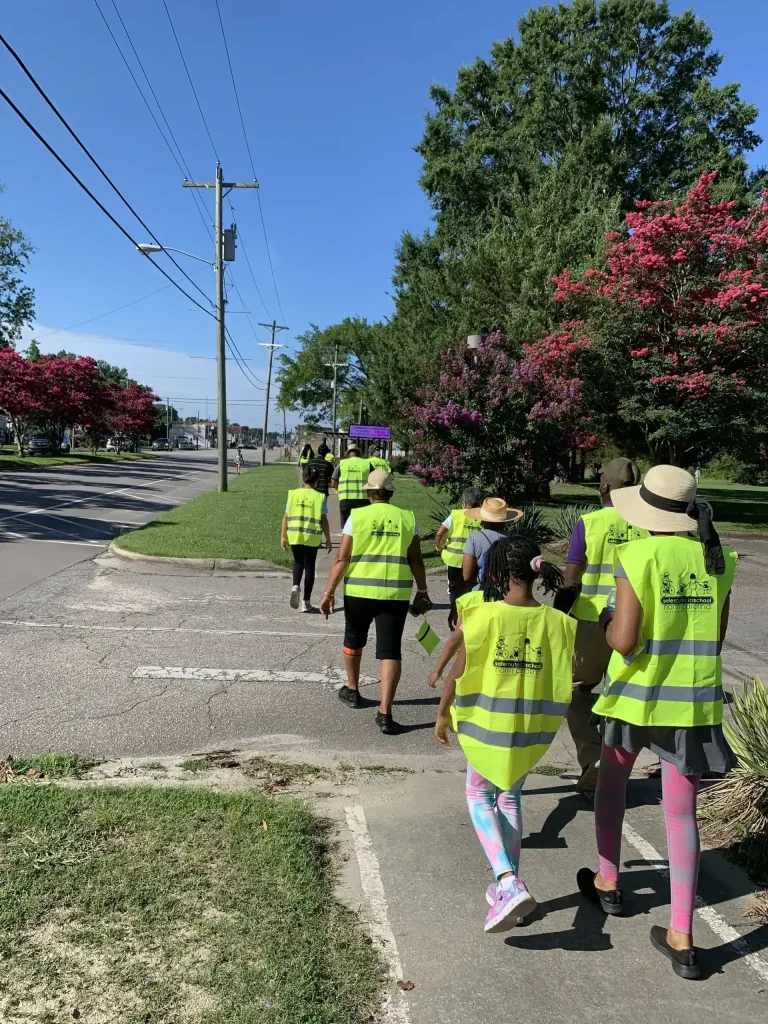
Below is a link to a comprehensive roadmap as well as quick access to supporting information that you might need.

Funding Your Walkability Project

Explore the funding pathways that may be available for your project.

Local Government Budgets

State Funding (NCDOT)

Federal Programs

Technical Assistance & Support

You don’t have to be an expert to make improvements. Many organizations offer specialized knowledge, guidance, and support.

University Extension

Use your Extension network for expertise in urban planning, landscape architecture, and community development.

NCDOT Regional Staff

Division Engineers, planners, and traffic safety engineers for state-maintained roads.

RPOs & MPOs

Rural and Metropolitan Planning Organizations offering technical advice and funding connections.

Walkability Resources & Tools

Access our collection of guides, templates, and best practices to help you make informed decisions and implement successful projects.

Project Planning Templates

Templates and guides to help you organize your walkability improvements.

NC Government Resources

Find NCDOT Division contacts, state crash data, and other state contact information.

Project Ideas

Design guides for a variety of infrastructure improvements.

Case Studies & Success Stories

Real examples from across North Carolina show how walkability projects can transform communities. Explore these stories to find inspiration, learn practical strategies, and see what’s possible in your own town.
Walk Audit

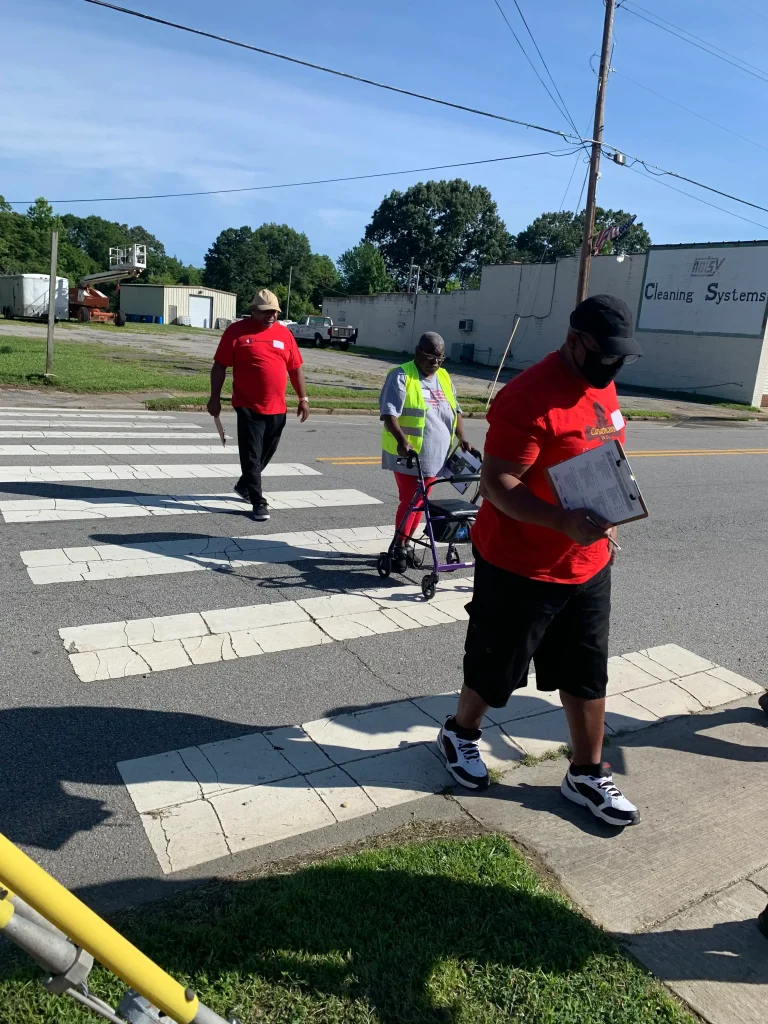
Location: Sparta, NC

Improving Walkability One Step at a Time

Problem: Faded crosswalks, non-working pedestrian crosswalk signals, and significant barriers to accessibility.

Solution: Met with NCDOT and were able to request the crosswalks to be repainted, the pedestrian crosswalk signal was repaired, and universally accessible curb cuts were installed in sidewalks throughout town and at the entrance to Crouse Park.

Key Learnings: If the walk audit had not occurred, these issues probably would not have been addressed. The identified issues were not on NCDOT’s to-do list until our committee met with them and shared the walk audit results!

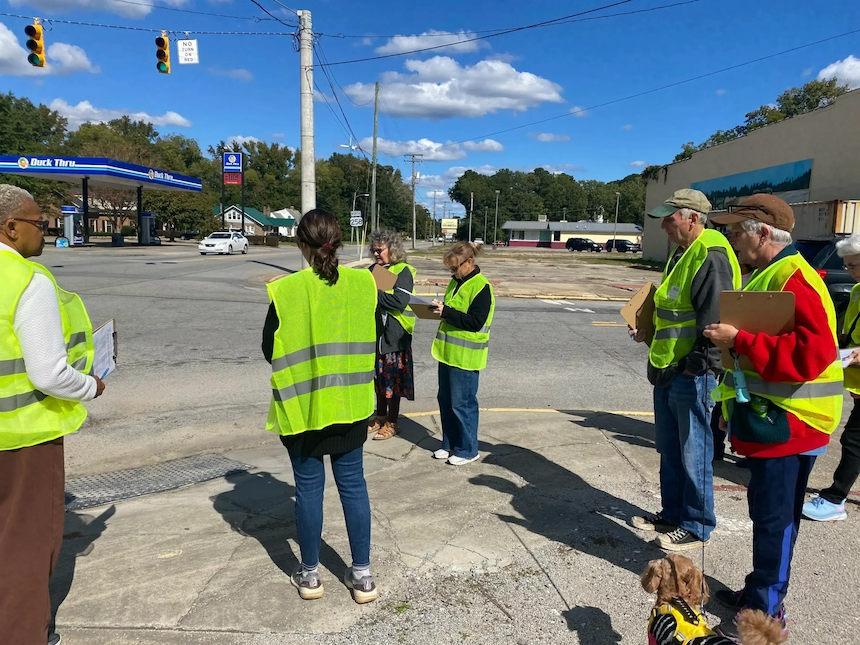
Walking Image

Location: Winterville, NC

Quick-Build Projects

Problem: Unsafe intersections and crossings near schools

Solution: Community came together and painted bump-outs at the crossings, and NC DOT installed new high-viz crosswalks.

Key Learnings: Findings suggest that these projects helped reduce average motor vehicle speeds and high-end speeds in the vicinity of the project sites, and that these reductions were further supported by the placement of temporary speed feedback signs.

Proudly Supported By

Let’s Build Better Communities — Together

This website is partially supported by the Centers for Disease Control and Prevention of the U.S. Department of Health and Human Services (HHS) as part of a financial assistance award. The contents are those of the author(s) and do not necessarily represent the official views of, nor an endorsement, by CDC/HHS, or the U.S. Government.